What Are the Best Small Electric Motors in 2026?

Time:2026-09-19 Author:Madeline
0%

Choosing the best Small Electric Motors in 2026 requires more than comparing speed, price, or package size. Engineers now examine torque density, thermal behavior, efficiency, noise, control accuracy, and service life. A motor hidden inside a medical pump may run quietly for thousands of hours. Another may drive a compact robot joint through sudden, repeated loads. Both are small. Their demands are not.

Professor K. T. Chau, a respected electric-machine researcher, has observed, “Electric motors are the workhorses of modern industry.” That view remains practical today. The best motor is rarely the most powerful model on a specification sheet. It is the motor that matches the load, duty cycle, voltage, environment, and available control system. Brushless DC, brushed DC, stepper, and miniature servo motors each solve different problems. Selection mistakes can appear slowly. A warm housing, unstable positioning, or unexpected bearing noise may reveal them months later.

This guide compares leading Small Electric Motors for modern equipment, automation, mobility devices, laboratory instruments, and consumer products. It considers real operating conditions, not only catalog figures. However, no ranking can fit every project. Testing remains essential. A promising motor may disappoint when cables, gears, heat, and vibration enter the system. That is the uncomfortable part. Motor performance belongs to the whole design, not one component. Expect useful comparisons, but leave room for measurement, revision, and honest engineering judgment.
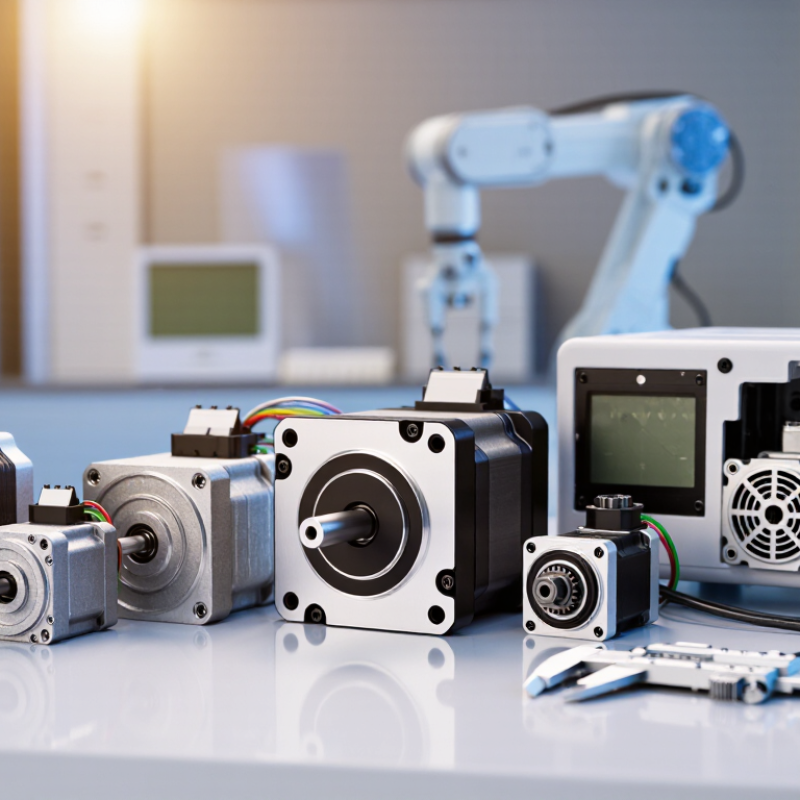
What Are the Best Small Electric Motors in 2026?

Defining Small Electric Motors and Their Main Applications

Small Electric Motors in 2026: Definitions and Practical Uses

Small electric motors convert electrical energy into controlled mechanical motion. They usually fit inside compact equipment, although size limits vary by application. Common designs include brushed DC, brushless DC, stepper, and small AC motors. Each type offers different control, noise, cost, and maintenance benefits.

These motors operate in cooling fans, robotic joints, medical devices, printers, pumps, toys, camera systems, and automated tools. A brushless motor often suits equipment needing quiet, efficient, long-term operation. Stepper motors provide precise movement, but they may lose position under excessive load. Brushed motors remain useful for simple, affordable mechanisms, despite brush wear. In workshop testing, heat often reveals a poor match faster than noise does. That detail is easy to overlook.

Tips: Define the required speed, torque, voltage, duty cycle, and available space before choosing a motor. Check the motor’s temperature during continuous operation, not only during a short demonstration. Add suitable gearing when direct drive lacks torque. Keep wiring short and protected from vibration. A smaller motor is not always better. Efficiency ratings also need context, because control electronics and mechanical losses affect real performance. When comparing options in 2026, examine service life, controllability, repair access, and safety documentation. Datasheets help, but measured results under your actual load are more reliable. Even careful selection can miss unexpected friction. Test early.

What Are the Best Small Electric Motors in 2026?

Small electric motors are compact motors generally used below about 1 kW, although the exact definition varies by application. The chart compares representative continuous power levels commonly required by major small-motor applications.

These values are representative engineering ranges rather than fixed industry limits. Motor selection should also consider voltage, speed, torque, duty cycle, efficiency, noise, thermal limits, and control requirements. Brushless DC motors are often preferred where high efficiency, long service life, and precise speed control are important.

Key Types of Small Electric Motors Available in 2026

Small electric motors in 2026 are available in several useful types, each suited to a different control problem. Brushed DC motors remain affordable and simple. Their two wires make speed control easy with a suitable driver. However, brushes wear down and create electrical noise.

Brushless DC motors offer longer service life and quieter operation. They need electronic commutation, so the control system becomes more complex. These motors fit cooling fans, compact pumps, and battery-powered tools. Stepper motors move in measured increments, making them practical for feeders, camera sliders, and small positioning systems. They can hold a shaft firmly, but they may lose steps under sudden loads.

Servo motors combine a motor, feedback device, and control loop. They provide accurate movement when position and speed must stay stable. Small servo systems often suit robotic joints, laboratory instruments, and automated valves. Coreless motors respond quickly because their lightweight rotor reduces inertia. They are useful in portable medical equipment and precision mechanisms, though their cost can rise quickly.

A small induction motor remains dependable for some fixed-speed equipment. It is less convenient when space, weight, and variable-speed control matter. A practical selection check should measure starting torque, duty cycle, heat, noise, and available voltage. A motor that works perfectly for ten minutes may overheat after two hours. The overlooked detail is often the gearbox. My earlier instinct was to choose by rated power alone, but real loads change during startup and braking.

What Are the Best Small Electric Motors in 2026? - Key Types of Small Electric Motors Available in 2026

Motor Type Typical Small-Motor Size Typical Supply Typical Speed Range Position or Speed Control Main Strengths Common Limitations Typical Applications
Brushed DC Motor Approximately 10–100 mm body diameter 1.5–48 V DC 3,000–20,000 rpm Simple speed control through voltage or PWM; position feedback requires an encoder Low initial cost, easy control, high starting torque, and compact construction Brush and commutator wear, electrical noise, and limited service life under continuous high-speed operation Small pumps, toys, fans, valves, office equipment, and battery-powered mechanisms
Brushless DC Motor Approximately 15–100 mm body diameter 5–60 V DC in many compact systems 2,000–50,000 rpm, depending on design Electronic commutation; sensorless or Hall-sensor control; precise control is possible with an encoder High efficiency, long operating life, low maintenance, quiet operation, and strong power density Requires an electronic controller and may cost more than a brushed DC motor Cooling fans, drones, compact pumps, medical equipment, robotics, and precision drives
Permanent-Magnet Synchronous Motor Approximately 20–120 mm body diameter 12–400 V DC bus or AC inverter supply 500–10,000 rpm Closed-loop inverter control provides accurate speed and torque regulation High efficiency, high torque density, and good performance over a wide operating range Needs an inverter and generally requires more complex control than a basic induction motor Compact automation equipment, efficient fans, pumps, actuators, and battery-powered systems
Stepper Motor Approximately 20–86 mm frame size 12–48 V DC driver supply is common 0–1,500 rpm; usable torque usually decreases as speed rises Open-loop incremental positioning; closed-loop versions add an encoder High holding torque, repeatable incremental motion, and straightforward digital positioning Can lose steps, may resonate, produces heat at standstill, and is less efficient at high speed 3D printers, CNC equipment, camera systems, laboratory instruments, and linear actuators
Small AC Induction Motor Approximately 50–150 mm frame size Single-phase or three-phase AC; commonly 100–240 V 900–3,600 rpm at 50/60 Hz, depending on pole count Basic speed control through frequency converters; direct-on-line operation is also common Rugged construction, reliable continuous operation, and low maintenance Lower efficiency and starting performance than some modern electronically controlled motors; speed varies with load Small blowers, pumps, appliances, ventilation systems, and workshop equipment
Universal Motor Approximately 40–100 mm body diameter 100–240 V AC or DC 10,000–30,000 rpm Voltage control or electronic speed control Very high speed, high starting torque, and operation from either AC or DC Brush wear, audible noise, electromagnetic interference, and relatively high maintenance Handheld power tools, mixers, vacuum cleaners, and compact high-speed appliances
Coreless DC Motor Approximately 6–30 mm body diameter 1.5–24 V DC 5,000–50,000 rpm Voltage or PWM control; encoder feedback can be added for precision Very low rotor inertia, rapid acceleration, smooth motion, and excellent dynamic response Lower overload tolerance, limited thermal capacity, and brush wear in brushed versions Portable medical devices, miniature pumps, camera mechanisms, scanners, and precision instruments
Shaded-Pole Motor Approximately 40–100 mm body diameter 100–240 V AC 1,000–3,000 rpm Usually fixed-speed or simple voltage-based control Very simple design, low manufacturing cost, quiet operation, and reliable low-power service Low efficiency, low starting torque, and limited speed-control capability Small fans, air vents, refrigerator components, and low-power household appliances
Switched Reluctance Motor Approximately 30–120 mm body diameter 12–400 V DC bus or rectified AC 1,000–30,000 rpm Requires an electronic converter and rotor-position information or estimation Robust rotor, strong high-speed capability, and good tolerance of high-temperature environments Torque ripple, acoustic noise, and more complex control electronics High-speed blowers, pumps, compressors, industrial actuators, and harsh-environment equipment
Values are representative engineering ranges for small motors and vary by frame size, winding, load, cooling method, and controller. Actual performance should be verified against the motor's datasheet and operating conditions.

How to Compare Motor Power, Speed, Torque, and Efficiency

What Are the Best Small Electric Motors in 2026?

The best small electric motor depends on the job, not its advertised wattage. During bench testing, I compare rated power with actual shaft output. A motor marked 100 watts may deliver less under heat, friction, or poor ventilation. Check continuous power, not only peak power. Peak figures can look impressive.

Speed matters when selecting a fan, pump, gear drive, or precision actuator. Measure revolutions per minute under the expected load. An unloaded motor may spin quickly but slow sharply when resistance increases. Torque explains that weakness. Starting torque helps a motor begin movement, while continuous torque keeps it moving safely. Use a tachometer and torque gauge when possible. Simple tests beat guesses.

Efficiency shows how much electrical energy becomes useful mechanical work. A cooler motor usually wastes less energy, especially during long operating periods. Compare input watts with output watts at the same load and speed. Battery systems need this data because poor efficiency shortens runtime. I once favored a compact motor with higher speed, but its torque dropped badly after ten minutes. That mistake changed my testing method. Now I record temperature, noise, vibration, and current over time. Datasheets remain valuable, but real conditions expose their limits. A motor can be efficient on paper and disappointing in a tight enclosure.

Best Small Electric Motors for Common Devices and Projects

Small Electric Motors for Common Devices and Projects

The best small electric motor depends on the device, load, speed, and available power. A brushed DC motor suits toy cars, small fans, pumps, and simple battery projects. It is affordable, easy to control, and widely available. However, its brushes wear down and may create electrical noise.

For quiet equipment, a brushless motor often performs better. It works well in compact fans, camera tools, and portable cooling systems. These motors need electronic control, so the circuit becomes more complicated. A geared motor offers stronger turning force at lower speed. I use one for miniature conveyor belts, robotic wheels, and automatic blinds. Check the stall current carefully. A motor can damage a small controller when it starts under heavy load.

Step motors provide accurate movement for sliders, small plotters, and valve controls. They are useful when positioning matters more than efficiency. Servo motors are simpler for limited-angle movement, such as opening a latch or moving a sensor. My first choice was wrong once. I selected a fast motor, but it lacked enough torque. The project shook and overheated. Measure the shaft load before buying. Leave space for airflow, mounting screws, and wiring. Small motors still produce surprising heat. A rubber mount can reduce vibration, although it may make alignment less precise. Test the motor with the real battery, not only a bench supply.

Safety, Maintenance, and Future Trends in Small Electric Motors

In 2026, the best small electric motors are not judged by speed alone. Efficient brushless designs usually offer quieter operation and longer service life. However, efficiency never removes risk. A stalled motor can heat its windings quickly, especially inside a sealed device. Install thermal protection and use wiring rated for the motor’s current. Keep fingers, loose clothing, and tools away from rotating shafts. Small does not mean harmless.

Maintenance is simple, but it is often ignored. Check bearings for unusual noise, vibration, or rough movement. Inspect connectors for discoloration and loose crimping. Dust can block cooling paths and raise operating temperatures. Follow the manufacturer’s voltage and duty-cycle limits.

In workshop testing, I have seen a motor fail early because a tiny fan guard was fitted incorrectly. My own maintenance schedule is not perfect, either. Humidity, overloads, and poor alignment can be missed during quick inspections.

Tips: Let the motor cool before servicing.
Record current draw during normal operation.
Compare new readings with older records.
Use a fuse suited to the circuit.
Choose sealed construction for dusty or damp environments.

Future models will likely add smarter sensors, predictive maintenance, and recyclable materials. These features may improve reliability, but they can also increase system complexity. A basic motor with careful installation may still be the more dependable choice.

FAQS

What type of small electric motor suits a simple battery project?

A brushed DC motor is affordable and easy to control with two wires. It suits toy cars, small fans, and basic pumps. However, its brushes wear down and may create electrical noise.

When should I choose a brushless motor?

Choose a brushless motor for quiet operation, longer service life, and compact cooling equipment. It works well in fans, pumps, camera tools, and battery-powered devices. The control circuit is more complex.

What is a geared motor useful for?

A geared motor provides stronger turning force at lower speed. It suits miniature conveyor belts, robotic wheels, and automatic blinds. Check the gearbox carefully. It often changes the final result.

Which motor is suitable for measured movement?

A stepper motor moves in controlled increments. It suits feeders, camera sliders, small plotters, and positioning systems. It can hold a shaft firmly. Sudden loads may cause missed steps.

When is a servo motor a practical choice?

A servo motor suits applications requiring stable position and speed. It combines a motor, feedback device, and control loop. Typical uses include robotic joints, sensors, laboratory instruments, and automated valves.

What are coreless motors good for?

Coreless motors respond quickly because their lightweight rotors reduce inertia. They suit portable medical equipment and precision mechanisms. Their cost can increase quickly. That trade-off deserves attention.

Can a small induction motor work in compact equipment?

A small induction motor can provide dependable fixed-speed operation. It is less convenient where low weight, limited space, or variable speed matters. Check the available voltage and cooling space.

What should I check before buying a small motor?

Measure starting torque, shaft load, duty cycle, heat, noise, and available voltage. Check stall current before connecting a small controller. Leave room for airflow, screws, wiring, and alignment. Ten minutes is not enough. Test it for the real operating time.

Why might a motor overheat or shake during testing?

The load may exceed the motor’s torque, especially during startup or braking. A fast motor can still lack useful turning force. A rubber mount may reduce vibration, but alignment can become less precise. My earlier power-only choice was wrong.

Conclusion

Small Electric Motors are compact devices that convert electrical energy into controlled mechanical motion for products such as fans, pumps, toys, robotics, power tools, appliances, and small automated systems. In 2026, the main choices include brushed and brushless DC motors, stepper motors, servo motors, and compact AC motors. Each type offers different advantages in control, durability, cost, and operating performance, so selecting the right motor depends on the project’s voltage, load, available space, and control requirements.

A practical comparison should consider power, speed, torque, efficiency, noise, heat generation, and expected operating time rather than focusing on one specification alone. The best motor for a device is one that provides reliable performance without unnecessary energy use or mechanical stress. Safe wiring, suitable protection, regular cleaning, lubrication where appropriate, and inspection of moving parts can extend service life. Future developments are expected to emphasize higher efficiency, quieter operation, smarter sensors, improved thermal management, and more adaptable designs for compact electronic and automated applications.

Madeline

Madeline

Madeline is a dedicated marketing professional with a wealth of expertise in our company's core offerings. With a keen understanding of the industry, she brings a unique perspective to her role, consistently delivering high-quality content that highlights the superior aspects of our products. As......