RadixPro
Global industrial buyers rarely choose a motor by horsepower alone. They examine starting torque, overload capacity, duty cycles, thermal limits, and maintenance access. High Torque Motors become valuable when conveyors carry heavy loads, mixers resist sudden movement, or pumps restart under pressure. A reliable motor should deliver force without excessive heat, vibration, or energy waste.
Austin Hughes, author of Electric Motors and Drives, describes the electric motor as “the workhorse of industry.” That observation remains practical today. A motor hidden inside a dusty cement plant or a refrigerated warehouse may run thousands of hours yearly. Its bearings, insulation, cooling system, and control compatibility matter as much as its nameplate rating. Buyers should request test data, efficiency information, protection ratings, and documented quality procedures. Supplier support also matters across borders, especially when replacement parts must travel long distances.
Torque is not the whole story. That assumption can fail. A larger torque margin may increase purchase cost, inrush current, or mechanical stress. Engineers must match the motor with the gearbox, drive, load profile, and site conditions. Humidity, altitude, voltage instability, and ambient temperature can change performance. Small details matter.
A careful comparison helps buyers avoid attractive but unsuitable specifications. They should verify continuous and peak torque separately. They should also review warranty terms and service capability. High Torque Motors can improve uptime, but only when properly selected, installed, and monitored. The best decision is not always the most powerful motor. It is the motor that performs predictably, efficiently, and safely in the buyer’s real operating environment.
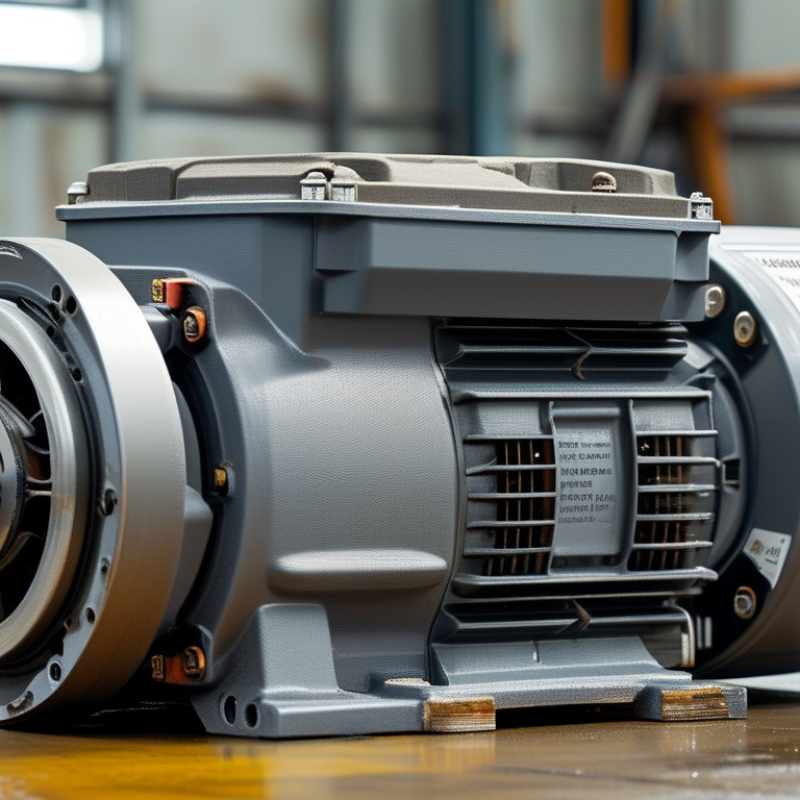
High torque motors produce strong rotational force, especially during startup and low-speed operation. Torque comes from magnetic interaction between the stator and rotor. In simple terms, energized windings create a rotating magnetic field, while the rotor follows it. A drive can adjust frequency and current, controlling speed and torque more precisely. Feedback from encoders or thermal sensors improves control under changing loads.
The term “high torque” has no universal threshold. It depends on frame size, speed, duty cycle, and cooling method. A compact motor lifting a conveyor load may outperform a larger motor at low speed. However, higher torque often requires more current, stronger shafts, and better heat removal. That trade-off is easy to underestimate. The International Energy Agency reports that motor-driven systems consume roughly 43–46% of global electricity, with industry representing a major share. Efficiency and control therefore matter beyond purchase price.
For global industrial buyers, selection should begin with the load profile. Check starting torque, continuous torque, peak duration, braking needs, ambient temperature, and supply frequency. International standards such as IEC 60034 support consistent testing and performance comparisons. In field assessments, a motor may meet its rated torque yet overheat during repeated starts. That is a practical warning. Buyers should request test curves, efficiency data, protection ratings, and service conditions before comparing quotations. Reliability is not only a datasheet number.
Mining, cement, steel, and port operations often need high torque motors. Their equipment starts under heavy loads and runs in dusty conditions. Conveyor belts may carry several tonnes of ore. Crushers face sudden resistance. A low-torque motor can stall, overheat, or demand frequent maintenance.
The International Energy Agency reports that motor-driven systems use about half of global electricity. The U.S. Department of Energy also identifies motors as major industrial energy users. These figures make correct motor selection commercially important. High torque supports reliable starting and stable low-speed operation. It suits cranes, hoists, mixers, elevators, agricultural machinery, and wastewater pumps. Yet torque alone is not enough. An oversized motor may waste energy and increase operating costs. This is where many purchasing decisions deserve more careful review.
Tips: Check starting torque, duty cycle, load changes, ambient temperature, and speed control requirements. Ask for measured efficiency data, not only catalogue claims. Test the motor with the real gearbox and load. A technically powerful motor can still perform poorly when the drive system is mismatched. Load profiles are often estimated too casually.
Why Choose High Torque Motors for Global Industrial Buyers?
What Benefits Do High Torque Motors Offer Global Buyers?
High torque motors help industrial equipment start heavy loads without sudden mechanical stress. They suit conveyors, mixers, crushers, hoists, and pumps that face demanding startup conditions. In field evaluations, engineers often examine starting torque, duty cycle, thermal limits, and load response together. A strong torque reserve can reduce stalling, production delays, and repeated manual resets.
These motors may also improve operational reliability in dusty plants, cold warehouses, and humid processing areas. When correctly sized, they maintain steadier speed under changing loads. That can support consistent material flow and reduce wear on couplings, belts, and gearboxes. Buyers should still verify voltage, frequency, enclosure protection, insulation class, and local certification requirements. A higher torque rating is not automatically better. Oversizing can increase purchase costs, starting current, and unnecessary energy use.
Tips: Match the motor to the real load profile, not only the nameplate power. Request test data for efficiency, temperature rise, noise, and vibration. Check service access before installation. It saves time later. Leave room for doubt, too; supplier figures may reflect ideal laboratory conditions rather than a hot, crowded factory. A site trial or independent inspection can reveal differences that catalog pages miss. Reliable purchasing depends on measured performance, documented quality control, and practical maintenance support.
Global industrial buyers should compare high torque motors through operating data, not peak torque alone.
A motor rated at 500 Nm for two seconds may deliver far less continuously. Check continuous torque, peak torque, speed range, and duty cycle under the real load. Ask for torque curves, thermal limits, and test conditions. These details make specifications comparable across suppliers.
Voltage and current ratings also affect system design.
Confirm the available power supply, controller compatibility, starting current, and cable length. A high torque motor may require larger conductors and stronger protective equipment. Review efficiency at the working speed, not only at the best laboratory point. Small differences can become significant in pumps, conveyors, and winches operating every day.
Mechanical details deserve equal attention.
Compare shaft diameter, mounting dimensions, bearing loads, backlash, vibration, noise, and enclosure protection. In dusty or wet facilities, the stated ingress rating must match the installation environment. Ask whether the motor includes temperature sensors or feedback devices.
From field commissioning experience, alignment errors often create more trouble than low motor capacity. Buyers sometimes choose excessive torque and overlook heat, space, or maintenance access. That choice can raise costs without improving performance.
A practical comparison sheet should include measured load data, ambient temperature, duty pattern, service support, documentation quality, and applicable safety certifications. Datasheets can still be incomplete. Verify critical values before purchase.
High torque motors suit conveyors, hoists, crushers, mixers, and other machines facing heavy starting loads. Selection should begin with measured torque, speed, duty cycle, ambient temperature, and available power. Oversizing may appear safer, but it can increase cost, noise, and inefficient part-load operation. The International Energy Agency estimates that electric motor systems consume about 53% of global electricity. Therefore, efficiency deserves equal attention during purchasing decisions.
Integration creates different risks. Engineers should match the motor with the gearbox, drive, brake, coupling, and control system. Check peak torque, continuous torque, acceleration time, shaft loading, and thermal limits. IEC 60034-30-1 efficiency classes support clearer comparisons across international markets. Regional voltage, frequency, enclosure ratings, and maintenance skills also affect the final choice. Field experience shows that catalogue torque often ignores real start-stop conditions. That mistake can cause overheating or unexpected downtime.
Tips: Request a duty-cycle profile, not only a horsepower value. Test acceleration with the actual load when possible. Leave thermal margin, but avoid excessive oversizing. Review spare-parts access and service knowledge before approval. A perfect selection rarely exists. Document the compromises. They may reveal weak assumptions later. According to the U.S. Department of Energy’s motor-systems guidance, improving controls and operating conditions can produce meaningful energy savings, not merely changing the motor.
Key factors affecting high torque motor selection and integration
The engineering priority index ranks the main selection factors on a 0–10 scale. Continuous and peak torque determine whether the motor can start, accelerate, and maintain the required load. Speed range, duty cycle, thermal capacity, environmental protection, and drive compatibility are also essential for reliable integration across global industrial applications.
Index scale: 0 = low priority, 10 = critical priority. Ratings represent a generalized industrial engineering assessment rather than company or brand performance data.
Mining, cement, steel, ports, agriculture, and wastewater facilities often need them. Conveyors may move several tonnes of material. Crushers can meet sudden resistance. Torque alone is insufficient.
A low-torque motor may stall during startup. It can overheat, increase maintenance, or cause repeated manual resets. A stopped conveyor can delay an entire production line. The load estimate may be wrong.
High torque supports reliable starting under heavy loads. It can maintain steadier speed when material flow changes. This may reduce stress on belts, couplings, gearboxes, and bearings. Results depend on correct sizing.
No. An oversized motor may waste energy and increase purchase costs. It may also draw more starting current than the system can comfortably handle. More power is not automatically better. That assumption deserves review.
Compare continuous torque, peak torque, speed range, and duty cycle. Ask for torque curves and thermal limits under stated test conditions. A motor rated for 500 Nm briefly may deliver much less continuously. Peak figures can mislead.
Confirm voltage, frequency, controller compatibility, starting current, and cable length. The installation may need larger conductors and stronger protective equipment. Check efficiency at the actual working speed. Laboratory efficiency may not match factory performance.
Review ambient temperature, dust, humidity, enclosure protection, and insulation class. A dusty plant may require stronger ingress protection. A cold warehouse creates different thermal conditions. The stated rating needs verification.
Yes, when practical. Test the motor with the actual gearbox, load, and drive system. Measure temperature rise, vibration, noise, efficiency, and load response. Check alignment carefully. Small errors matter. A site trial can expose catalog omissions.
High Torque Motors are designed to deliver strong rotational force, or torque, especially when starting, accelerating, or driving demanding loads. They typically achieve this through carefully matched motor geometry, electrical design, and control systems that maintain reliable performance under challenging operating conditions. Their capabilities make them valuable in industries such as material handling, manufacturing, robotics, construction equipment, renewable energy, transportation, and heavy-duty automation, where consistent force and precise movement are essential.
For global industrial buyers, High Torque Motors can improve productivity, reduce operating interruptions, and support efficient equipment design when correctly selected. Buyers should compare rated and peak torque, speed range, power output, duty cycle, efficiency, thermal performance, protection rating, control compatibility, and expected service life. Final selection also depends on load characteristics, installation space, environmental conditions, maintenance requirements, local electrical standards, integration with gearboxes or drives, delivery support, and total ownership cost. A complete evaluation helps ensure the motor matches both present requirements and future operational demands.
